If you’ve noticed that your dogs paws are red between the toes and that they are constantly trying to lick them then you’ll need to intervene immediately. If you suspect that the swollen dog paw is caused by a lump, you need to consult your vet immediately for further inspection!
.jpg)
I believe my dog, Milo, has developed a skin infection on
The reasons why dogs get damaged nail, it could be due to:

Dog paw infection between toes. Signs of an infection in the paws include licking and chewing the paws, redness, swelling, pain, itching, and drainage. If your dog licks their paws excessively or has a yeast or bacterial infection, it will have redness between its toes. When you’re checking, be sure to check for these symptoms of paw infections:
At first, you may notice your dogs paws are red between toes. Skin conditions, especially those that affect the paws and toes are usually related to some type of contagious cause, such as a viral, bacterial or fungal infection. Checking your dog’s paws over when they get back in from a walk takes just a couple of minutes, and will help you to spot any developing problems quickly.
Your dog may also develop an abscess in between their toes if they get a minor injury that becomes infected. Bacterial and fungal skin infections are common in dogs and often involve the paws. If there is an object stuck between the toes of your dog, objects like thorns.
Yeast dermatitis or malassezia dermatitis affects paws — this is common in dogs and can affect the lip margins, ears, armpits, groin, the underside of the neck, and skin in between the toes. Some pet owners call it “frito feet,” as it can mimic the smell of a corn chip. Problems that start at the paws, ears, or inguinal region (groin) not only indicates an infectious or contagious cause, but also represents that the patient has a depressed immune system.
An obvious or visible graze or injury. Typically, the skin between the toes and other skin folds is affected with itching, redness, and greasy discharge. A dog can have one or more cysts present on any paw.
A deep bacterial infection most often causes this dog paw infection between the toes. The most common cause of furuncles between the toes is a deep bacterial infection. Puss or discharge oozing from the paw.
When a dog has a yeast infection on his paws, he may be seen excessively licking or chewing on his feet in an effort to relieve the itchy discomfort that comes with such a condition. Any abscess between toes is an interdigital cyst, also known as interdigital furunculosis or follicular pododermatitis. Swollen dog paws and red between toes can be treated at home with epsom salt, apple cider vinegar, honey, and warm compresses.
How to treat dog paw infection at home? Some causes could be linked to each other such as ingrown hairs or a deep cut resulting in a bacterial infection. Some of the core symptoms of paw infections to be on the lookout for include:
Typically, the skin between the toes and other skin folds are affected with itching, redness, a greasy discharge, and sometimes brown discoloration of the nails. Loss of hair around the paws; It’s wise to get in the habit of checking your dog’s paws.
Swelling across the paw in general, or on one of the toes. If the swelling continues for more than 48 hours or your dog’s paw looks very red, painful, or feels hot to the touch, take him to a veterinarian as soon as possible. When a dog’s paws are red between the toes, you might assume it is only possible due to a fungal infection.
Clinical signs vary but your dog may be uncomfortable — signs include licking, chewing, scratching, and a ‘yeasty’ odor. There are a few things to look for when you inspect the paw: Let the infected paw to.
The infection may make your dog paw red between the toes, and then the repeated licking may make it worse. Bleeding, foreign objects lodged in the paw pad or between the toes, or other debris like dirt or grass. This is a fleshy irritation within the webbing of your dog’s toes that often involves a bacterial infection.
Signs of an infection in the paws include licking and chewing the paws, redness, swelling, pain, itching, and drainage. Tumors that occur between the toes of a dog are very common in older dogs over 10 years old. General swelling across the paw or on one of the toes.
A foreign object in dog paw can cause swelling especially for swelling on one pad. This can be caused by dogs itchy paws, but we’d be guessing without taking a deeper look. Advertisement breeds with short, bristly hairs in between their toes are the most likely to develop this type of abscess, since the short hairs are often forced backward as the dog walks, resulting in ingrown hairs and a bacterial infection.
You may also notice your dog excessively licking that area. Signs of interdigital cysts in dogs Sore dog paws between the toes are most commonly caused by yeast or bacterial infections, ingrown hairs or toenails, foreign objects, injuries, skin allergies, or cysts.
These are all symptoms of a skin condition that your dog may be suffering from. Yes, it is almost always going to be a fungal infection but it is also important to focus on a potential injury that took place. Put a dog bootie on to prevent a dog from chewing at the gauze.
An exposure ( this could be an exposure to chemicals) if there is a presence of an object: At this location, you may also notice inflammation or nodule formation. When we see our dogs we want to make sure we lessen the.

Health Issues of Puppy Mill Survivors
Dog Paw Swollen between Toes, Around Nails, Or On Top
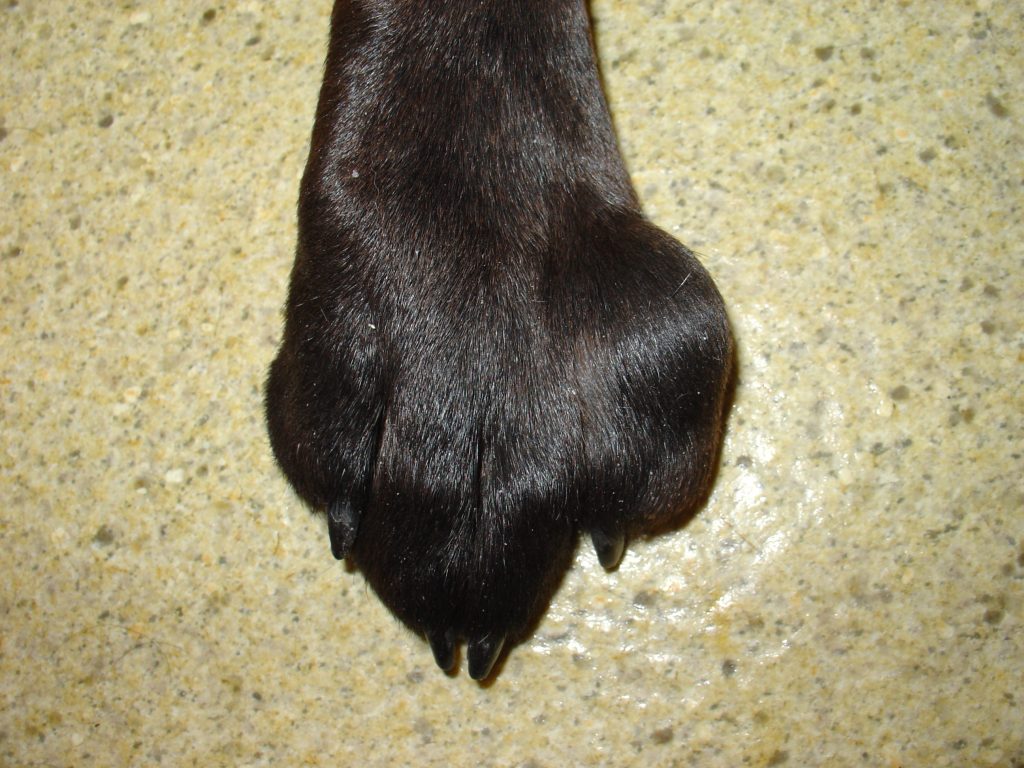

Yeast Infection Cat Paw Pad Infection
3 puppies have a swollen foot and/or toe which is hairless
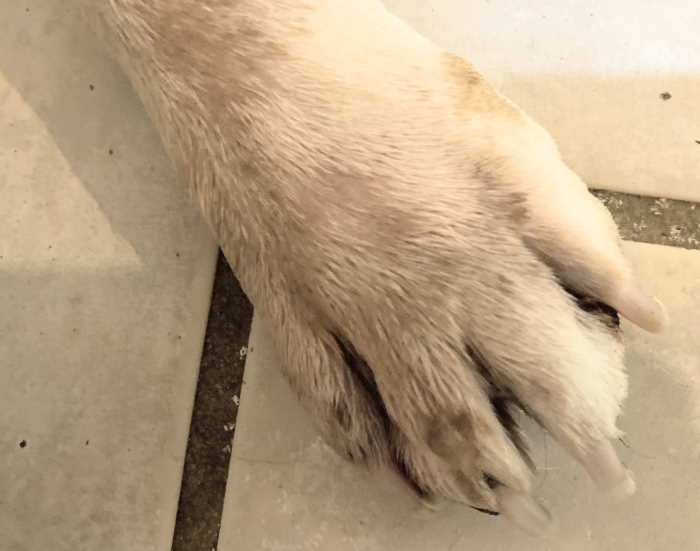
Dog Paw Yeast Infection Reddit LOANKAS