The dog may walk with legs spread farther apart, swaying somewhat when he moves. Unsteady, staggering gait in the hind legs;

sindrome di wobbler dobermann YouTube
In this article, you can learn about we’re going to tell you about its causes, symptoms, and how to treat it.

Doberman wobblers syndrome symptoms. Signs may have a rapid and sudden onset or they may progress slowly. Wobbler syndrome symptoms there are three stages of wobbler syndrome symptoms—the first of which can be very mild. Symptoms usually appear first in the rear legs as a mild uncoordinationin gait (ataxia) and can escalate to involvement of the forelegs as well.
Your dog might appear to be a little uncoordinated and this is especially true of their back ends. Symptoms of wobbler’s syndrome in dogs the onset of wobbler’s is usually slow and progressive, but in some cases trauma may lead to an acute case. Slightly more males than females are diagnosed with wobbler syndrome.
Many dogs with wobbler syndrome develop a progressive,. What are the clinical signs of wobbler syndrome? There is evidence in the literature to suggest that affected doberman pinschers have a reduced size of the neck spinal canal compared to normal dogs of the same breed, which may increase their risk of development of the disease.
Short, choppy stride on rigid front legs; Common symptoms are an abnormal `drunken´ or `wobbly´ gait, scuffing or dragging of the hind feet, a short, choppy gait of the front legs, neck pain, and holding the head and neck in a flexed (downward) position. The dog may have neck pain, difficulty rising to a standing posture, wasting of the muscles (especially in the forelimbs), worn toenails, unsteady gait, and general difficulty in maintaining normal postures.
The common symptoms are a wobbly gait, (which gives the disorder its name), a stilted manner of walking on the front feet, a dragging of the hind feet, severe neck pain and the neck hanging in a downward position. They may start to walk with their legs splayed further apart and walk with a swaying motion. There are many disorders that present similar signs as the dancing doberman disease such as wobbler syndrome, arthritis, disc disease, hip dysplasia, neuropathy, and myasthenia gravis.
Csm is characterized by compression of the spinal cord and/or nerve roots, which leads to neurological signs and/or neck pain. Depending on the severity and progression of the disease, some or all of the following symptoms will be present. Your dobie seems uncoordinated, especially in the hind end.
Wobbler syndrome, or cervical spondylomyelopathy (csm), is a spinal disease that mostly affects large dogs. Incoordination and difficulty walking are often seen alongside this wobbling and as the disease progresses, dogs will trip over their own feet and stumble. J small anim pract 2001;42:
The severely affected dog moves like a drunk and the uncoordination showsup most when the dog is. Often, signs start in the back legs and progress to involve the front legs. These symptoms might even grow into the worst possible situation where the dog would be rendered completely motionless.
Symptoms of wobbler syndrome in dogs dogs with wobbler syndrome are typically large or giant breed dogs so it is very obvious when they are wobbling while walking. The most common sign is a distinct wobbly gait, but other signs include: Even if you just see your pet experiencing some general stiffness or instability in the back legs, it never hurts to schedule a vet appointment:
The signs may or may not worsen. Symptoms signs consistent with this disease include neck pain, scuffing nails, stumbling, incoordination (ataxia), difficulty rising, and difficulty walking. She was my first doberman and we were struggling financially with a toddler and infant.
The symptoms of wobbler's syndrome can be hard to spot at first because the condition develops very gradually. Wobbler's disease may start subtly. You can go with your gut feeling that it is wobblers or confirm it with a mri or mylogram.
Symptoms of wobbler syndrome are very predictable. Wobbler syndrome is primarily genetic in cause, however dietary factors may be contributory. If your dog has a secondary spinal column injury, like a herniated disc, it may also accelerate the disease.
May buckle or collapse if neck is extended One of the main differences is that dogs with dancing doberman disease seem to be in no pain at all. Legs spread out for better balance;
Vet clin north am small anim pract 1988;18(3): Traits and symptoms of wobbler syndrome The common symptoms are a wobbly gait, (which gives the disorder its name), a stilted manner of walking on the front feet, a dragging of the hind feet, severe neck pain and the neck hanging in a downward position.
Symptoms to watch out for. These symptoms might even grow into the worst possible situation where the dog would be rendered completely motionless. Wobbler syndrome is most common in doberman pinchers and in some larger dog breeds, including great danes and irish woflhounds.
Early diagnosis is important to prevent any conditions such as disabilities and neurological deficits. Wobbler´s is characterized by progressive neurological dysfunction of all four limbs, usually starting with the hind legs. His front legs might be unaffected, or he may appear somewhat stiff in the front.
Many years ago i had a bitch that presented with wobbler like symptoms and we were not in a postition to spend the then $1800 on a mylogram to diagnose it.
Cervical Spondylopathy (Wobbler Syndrome) in Dogs


Athena The Story Of A Doberman With Wobbler's Syndrome
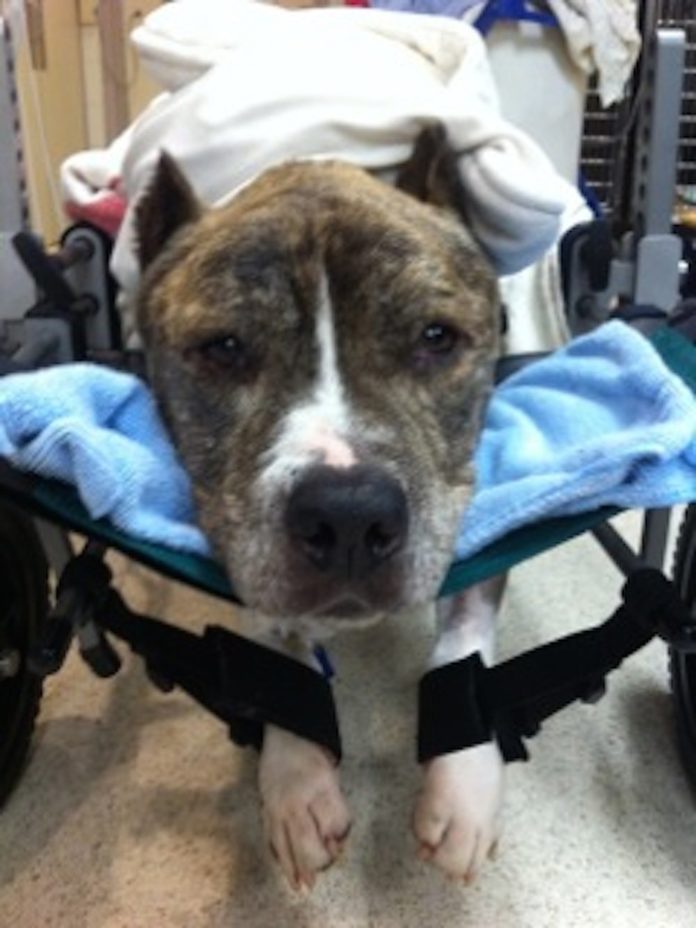
Wobblers Syndrome in Dogs TuftsYourDog

Harley.Doberman with Wobblers. 16 days post gold bead

Doberman with wobblers syndrome YouTube