If the tumor is large enough to cause a blockage, your dog becomes severely constipated and in obvious pain. The good news is, that they are not always malignant.

Could my pet have internal bleeding? Vet Help Direct
Table of contents what are the signs of internal bleeding
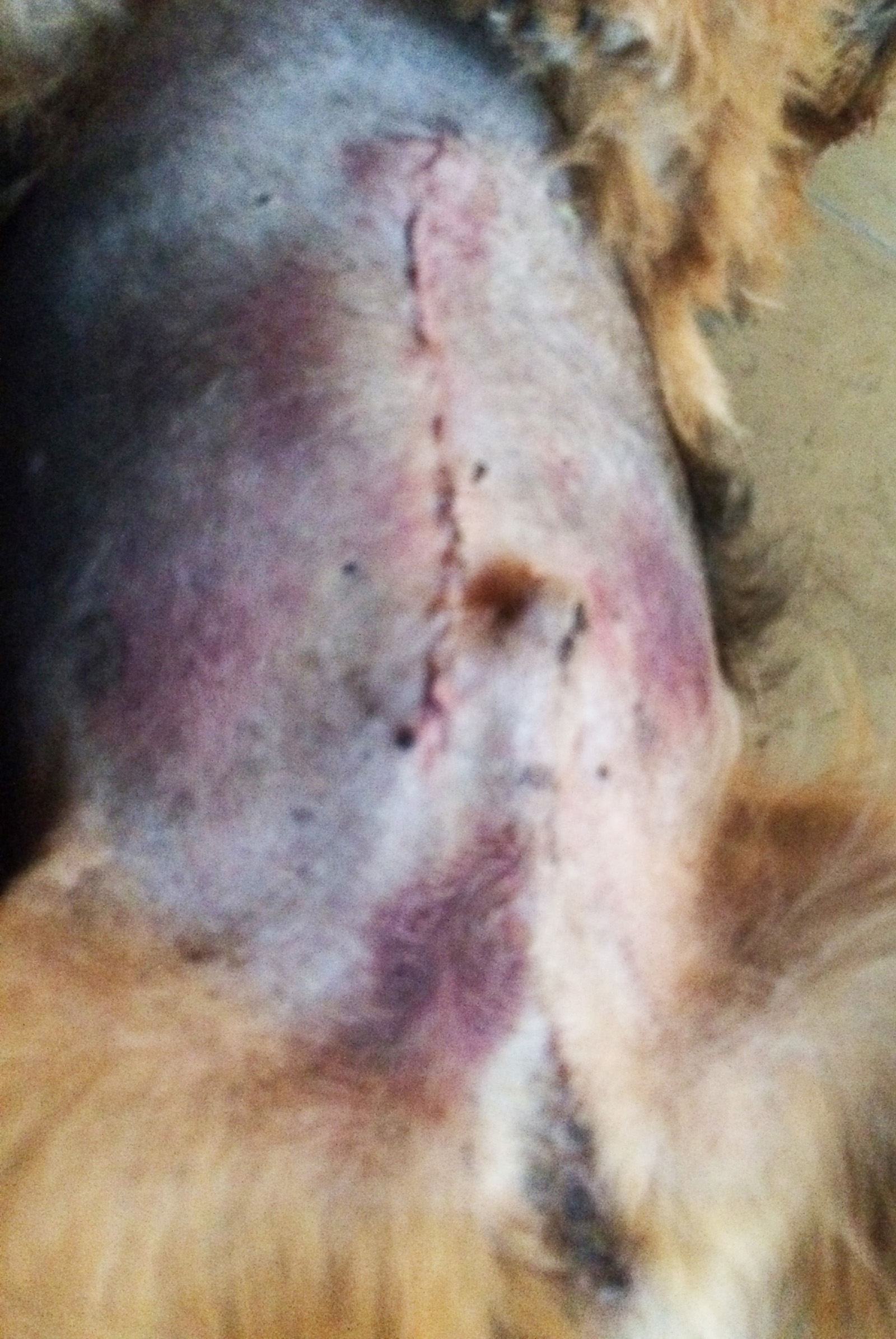
Dog internal bleeding. Visible bleeding from a broken nail or cut ear looks scary and makes a terrible mess, but internal bleeding in the chest or abdomen that you can’t see is more deadly. If the bleeding is in the abdomen, the belly might become swollen. When a lot of bleeding has occurred, the abdomen may swell and feel ‘full.’
If the bleeding begins in the internal organs, it is called internal or cavity, which is characterized by the following symptoms: Blood in the feces, or tarry, dark stools, could indicate the tumor is bleeding. To minimize blood loss, you can provide first aid for bleeding dogs until you arrive at the veterinarian.
Blood issues such as anemia can cause your dog to become weak and to have very low energy. This can cause internal bleeding in dogs. Older labs are predisposed to cancer of the spleen, which can lead to internal bleeding.
Involvement of larger blood vessels or a greater number of blood vessels results in loss of a greater volume of blood. In fact, the most often cause of internal bleeding in dogs, especially in those with no history of being hit by a car or eating rat bait, is cancer. Small amounts of blood might appear in the vomit.
Hemangiosarcoma is a tumor made up of blood vessel cells. Your dog may also feel uncomfortable, but generally the weakness will overshadow any signs of discomfort your dog may display. Internal bleeding in dogs can often be more dangerous because it occurs inside the body, and being less obvious, delays evaluation by your veterinarian.
And the most common cancer that causes this is hemangiosarcoma. The rupture of a normal spleen. In fact, the most often cause of internal bleeding in dogs, especially in those with no history of being hit by a car or eating rat bait, is cancer.
Haemorrhage refers to bleeding, which can be broadly categorised as external or internal. 85% of the time internal bleeding in dogs is caused by cancer, specifically, hemangiosarcoma. Your dog may also feel uncomfortable, but more often, the weakness will overshadow signs of discomfort that your pet may display.
This one’s tricky, because there is a lot of space to bleed into in an abdomen. In fact, the most often cause of internal bleeding in dogs, especially in those with no history of being hit by a car or eating rat bait, is cancer. Common signs of internal bleeding include weakness, trouble breathing, pale gums, a distended abdomen, and collapse.
This complicated word essentially describes a tumour condition in which blood cell tumours are created around organs and press into the dog’s bloodstream. However, if a dog has some sort of serious disease or a bad infections, this too can lead to internal bleeding. While external bleeding occurring outside the dog's body is easy to recognize as the blood flows out of the body through some form of laceration, puncture wound or abrasion, internal bleeding remains an insidious condition that may not be readily noticed by dog owners in a.
One of the signs of internal bleeding is that your dog may become lethargic because of anemia. Internal bleeding requires immediate surgical treatment. Haemorrhage is most commonly associated with trauma.
Rarely, ruptured spleenruptured spleena splenic injury, which includes a ruptured spleen, is any injury to the spleen. Blood in the abdomen is often referred to as internal bleeding and can lead to severe anemia and death if treatment is not given immediately. A poison such as mouse and rat poison could cause internal bleeding in dogs as well.
When there’s bleeding in the abdomen of dogs, it should be considered a major medical emergency that warrants immediate veterinary attention and intervention. Common signs of internal bleeding include weakness, trouble breathing, pale gums, a distended abdomen, and collapse. Internal bleeding in dogs is simply bleeding that can't be seen from outside the body.
Technically, though, this isn’t ‘internal’ bleeding, as the gut can be classed as the outside of an animal, being linked as it is to the outside world at either end. It's easier to cope with a bleed when an open wound is involved because instinctively vets know how to. As stated earlier, the most common cause of internal bleeding in older dogs in general is cancer.
Less common signs are vomiting, not eating, and general malaise. In older dogs, one of the common causes of internal abdominal bleeding are splenic tumors. Dogs suffering from gastrointestinal cancer might experience vomiting, diarrhea, appetite loss and weight loss.
The tumors can grow quite large in some cases, but they often don’t cause an issue until they bleed. That said, bleeding from any source is a concern if a lot of blood is lost. Common locations of bleeding in dogs
Why is internal bleeding fatal? The bad news is, that if you don’t catch them early, they can still kill your dog nonetheless. Unfortunately, the outlook for dogs with hemoabdomen is poor.
Injuries to the interior of your pup can occur while you were driving, getting hit by a blunt object, during dog fights, or through medical errors due to spaying. Any type of trauma whether a dog has been knocked over by a car or fallen from a significant height may result in internal bleeding. A dog with internal bleeding may become lethargic because of anemia.
Common signs of internal bleeding include weakness, trouble breathing, pale gums, a distended abdomen, and collapse. Dog's health problems explains that anemia causes your dog to be weak and to have low energy.

Internal Bleeding in Older Dogs Veterinary Emergency and

Dog Hit By Car Internal Bleeding / What Should I Do If My

Internal Bleeding in Dogs Pet Ponder
HANNIBAL!!! a little terrier run over by a car with


Internal Bleeding in Older Dogs Veterinary Emergency and