Allergic reactions are possible, but very rare. How should it be given?

CLINTABS® (clindamycin hydrochloride) Tablets
Cats may experience drooling and lip smacking after giving the medication.

Side effects of clindamycin in dogs. Injectable clindamycin does not cause gi distress. Some dogs may experience serious allergic reactions to clindamycin, such as breathing difficulties or seizures. Adverse effects that may occur are vomiting, diarrhea, loss of appetite, allergic reaction, blood in stools, or trouble swallowing.
What side effects can be seen with its use? Hardie zoetis plumb’s veterinary drug handbook (sixth edition) The risk of developing diarrhea as a reaction to clindamycin is higher for nursing puppies.
Learn more about the usage of this medication, its side effects, and any warnings from our vets here. Diarrhea (sometimes bloody), vomiting, drooling, and ; Regardless, it is up to the veterinarian whether.
If diarrhea becomes bloody, severe, or lasts for several days contact your veterinarian. Pain at injection site (when injecting im) c. Clindamycin may result in these side effects:
Drugs with clindamycin hcl have a few side effects. Side effects requiring immediate medical attention. Difficile colitis if you notice bloody stools contact your vet immediately for advice on how to proceed.
In most cases, side effects will be mild and may include diarrhea or vomiting, which may resolve after a day or two. Side effects and drug reactions. Among the most common side effects are:
Clindamycin side effects diarrhea that is watery or bloody; However, clindamycin's most common and unpleasant side effects are gastrointestinal, including stomach pain, nausea, vomiting and diarrhea that may be bloody or watery. Clindamycin, commonly known by the brand names of antirobe® and cleocin®, is an antibiotic that is used in dogs and cats.
Side effects clindamycin must not be offered to family pets with kidney and liver problems. Some of the most common side effects of. Clindamycin is approved by the fda for use in dogs and cats with the following label indications:
Clindamycin for dogs can potentially cause the following side effects: These side effects appear to be due to local gi irritation. If diarrhea becomes bloody, severe, or lasts for several days contact your veterinarian.
Dogs absorb oral clindamycin more quickly if it is given on an empty stomach; Are there any potential side effects? Make sure to inform your vet of any medication your dog may already be on.
Check with your doctor immediately if any of the following side effects occur while taking clindamycin: As with any oral antibiotic, there is a risk of side effects when administering clindamycin for dogs. To ensure safety, it is essential that clindamycin is given to dogs only as prescribed by the vet.
Clindamycin should never be administered. Severe diarrhea (may contain blood) loss of appetite; Allergic reaction (labored breathing, hives, etc) vomiting;
Clindamycin may react with these drugs: Side effects may be more pronounced in animals with underlying health problems like kidney and liver disease. The most common side effects in dogs and cats are gastrointestinal (gi upset, including nausea and vomiting).
A few of the significant side effects of clindamycin include vomiting, diarrhea, reduced cravings, and weight reduction. Although not all of these side effects may occur, if they do occur they may need medical attention. The price of clindamycin ranges from 60¢ to $2 per tablet depending on the dosage strength.
The most common side effects seen in dogs or cats with orally administered clindamycin are vomiting and loose stools. Clindamycin for dogs side effects. The most common side effects seen in dogs or cats with orally administered clindamycin are vomiting and loose stools.
In the case of pregnant or lactating female dogs, there is insufficient data to support its safety, although no harmful effects on fetuses have been reported in studies. First, it's crucial that you tell your vet about any and all other drugs that your dog is on before you begin using this medicine, as it can interact badly with certain types of medicine. Side effects of clindamycin in dogs include:
Along with its needed effects, clindamycin may cause some unwanted effects. Clindamycin side effects in dogs. Side effects possible adverse effects include:
Gastrointestinal upset in both dogs and cats has been reported, including vomiting, diarrhea, and occasionally bloody diarrhea in dogs. How long does clindamycin take to work in dogs and cats? Your dog might be allergic to it, so you should keep a close eye on your dog while giving them clindamycin for the first time.
Fever, chills, body aches, flu symptoms, sores in your mouth and throat a side effect is usually regarded as an undesirable secondary effect which occurs in addition to the desired therapeutic effect of a drug or medication. Side effects may vary for each individual depending on the person's disease state, age, weight,. In dehydrated dogs or those with serious kidney or liver problems, clindamycin can be used, but with strict control of doses and monitoring.
The use of a topical clindamycin hydrochloride gel as part of a professional teeth cleaning procedure including root planning can also aid tooth retention.
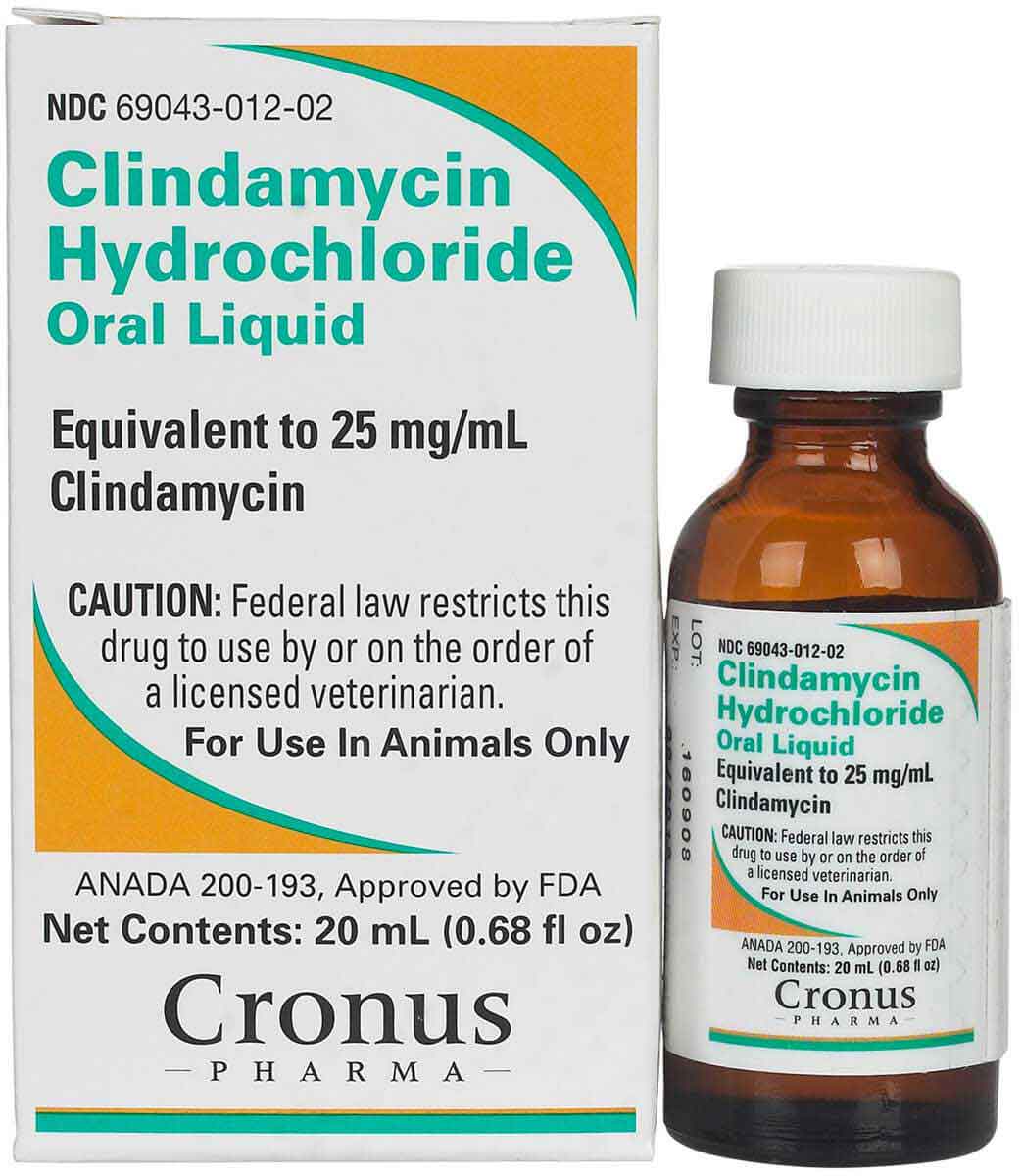
Clindamycin Hydrochloride for Dogs Cats Generic (brand may
Clindamycin 150mg for dogs Legal Generic Meds

Clintabs (Clindamycin) 150mg (100 Tabs)

Clindamycin for dogs ears, clindamycin for dogs ears

Clindamycin hydrochloride for cats side effects